What Sleep Hygiene Means and Why It Matters
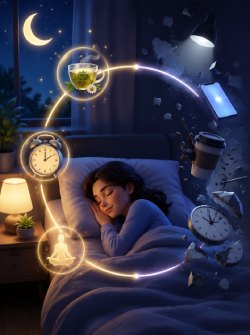
Most people assume being unlucky is what causes them to get poor sleep. In reality, sleep is affected by daily habits more than it is usually assumed. Sleep hygiene is simply certain behaviors that are easy to be consistent with while also helping the body to naturally fall and stay asleep.
The body follows the circadian rhythm, an internal clock that dictates when to be alert and when to be calm. Disruption of the circadian rhythm can happen when the schedule is not copacetic or when one has had screen exposure in a very bright room close to bedtime or has taken too much coffee late in the day. Cumulatively, disrupted sleep would translate into fatigue, depression, poor concentration, and compromised immune function in general.
No matter the system in the body, it acknowledges that better sleep is tonic. But sleep hygiene is not a cure. It will not get rid of any kind of clinical insomnia or sleep apnea on its own. Rather, take it like the foundation. Habit-based changes in sleep may take at least a few weeks to develop increasingly noticeable results, meaning you would need to exercise more than one's fair share of patience and consistency.
Build a Simple Routine Your Body Can Trust
Consistency is what separates restful sleepers from restless ones. Your brain responds to repeated cues, so the more predictable your schedule, the easier sleep becomes. Start with these four habits.
- Stick to a steady sleep routine. Try to go to bed and get up at the same hours each day, weekends included, so your body knows when to wind down and when to wake. Even sleeping in or staying up just half an hour later on Saturday can make your weekday rhythm harder to reset.
- Wind down for 30 to 60 minutes before bed. Reading, light stretching, or a warm shower signals to your body that sleep is near. The activity matters less than the repetition.
- Step away from screens an hour before bed. Bright light from phones and TVs delays melatonin, the hormone that makes you feel drowsy.
- Avoid naps after 3 p.m. or longer than 20 minutes. Late or long naps erode nighttime sleep pressure.
Pick one or two of these to start. Doing them consistently beats doing all four sporadically.
Shape Your Day and Bedroom for Better Sleep

What happens immediately before going to bed makes the most impact on your sleep, yet few people grasp this fact. The morning sunlight, for example is effective in setting your circadian rhythm – your internal sleep-wake clock – signaling that the day has begun. Spending even just ten minutes outside directly after waking confronts the body with heightened such niceties.
Physical exercise, albeit moderate in intensity, can certainly assist here. Taking a brisk half-hour walk in the afternoon should result in deeper sleep and quicker sleep onset. Try to finish your workout anywhere between two and four hours before bedtime.
Yes, caffeine, alcohol, nicotine, and heavy food in the evening are by all means enemies of sleep. Caffeine can linger for up to six hours before leaving your system, but the perception of alcohol as sedating often prevents full rest later in the night.
Your bedroom should be given its own ambiance. Cooler room temperature, preferably between 65-68°F, encourages the natural process of decreasing body temperature to usher in sleep. Night blackout curtains, earplugs, or white noise are useful, and extra comfort should help. Avoid everything else that the bed can offer except sleeping and being intimate with your partner. No working or scrolling; in other words, whatever we do, our brain should not be trained to be awake when we lay down.
Better Sleep Starts With Consistent Small Changes
Perfection is not the goal. Consistent, manageable routines in any amount and at any time can improve your sleep quality. Don't think of sleep as a dozen dozen! -step plan drawn out. Most people find themselves making an easier transcendence simply by setting a regular waking time and avoiding screen time for an hour ahead of the awaited sleep. But in some cases sleep behaviors do have defined boundaries. If habitually, you find it hard to fall asleep, suffocate in your sleep, do heavy snoring, always be drained whenever you make it to the bed, or these symptoms have persisted for a few weeks, make an appointment about it. It could mean sleep apnea or chronic insomnia as such conditions can never be corrected by a proper bedtime routine.
Related Topics

Sustainable Weight Loss: Nutrition, Exercise, and Health
Weight loss is a common goal for many, but achieving it in a healthy and sustainable way requires knowledge, consistency, and realistic expectations. Quick fixes and fad diets often promise rapid results, but long-term success comes from understanding nutrition, engaging in regular physical activity, and adopting lifestyle habits that support overall wellness. This page explores the principles of effective weight management, including nutrition basics, beginner exercise strategies, and key factors that help maintain a healthy lifestyle over time.
Continue Reading...
Achieve Fitness Goals: Exercise Plans, Nutrition Basics, and Healthy Living
Physical exercises form the spine of a healthy way of doing things that bode for physical health, mental well-being, and long-term health. When most people think about working out they think it is all about looks or losing weight, but physical activity really contributes an extraordinary stroke for many woks like a healthy heart, stronger muscles, stronger bones, better mood, and a load of energy. Not only does working out boil down to the actual choice of workout type - it has everything to do with combining nutrition, rest and other wellness enablers to a long fit lifestyle. Here, we walk you through the exercise basics, effective ways of working out, food knowledge, and habits that enhance top long-term effects.
Continue Reading...Quick Links
Teaching FORM through Lady Macbeth’s tragic arc has really helped my students to see how Shakespeare builds tragedy through character. It’s been a game-changer for their analytical writing and for pushing students towards grade 8&9.#teamenglish #macbeth #gcseenglish #literature pic.twitter.com/34SMhdu3dc
— Abena Appiah (@AbenaAppiah) December 4, 2025
Quick weight loss sounds tempting — keto hacks, protein shakes, extreme diets… but what’s the real cost? 😳
— B L Mittal (@blmittal01) December 7, 2025
Dr. Rahul Jain breaks down the hidden dangers behind “fast results” and why safe, sustainable weight loss always wins.#HealthFirst #DietRealityCheck #WeightLossFacts pic.twitter.com/OGyipeCdX3